General
Experience the Magic of the Andes on a Unique 3-Day, 2-Night Journey
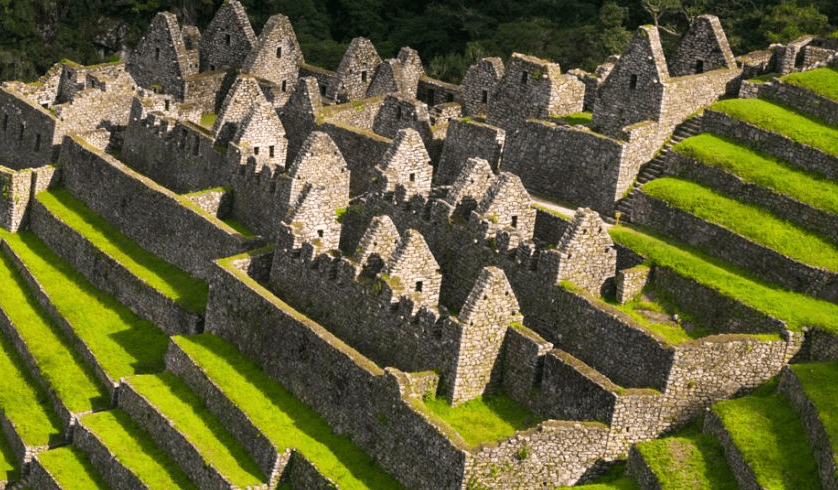
Embark on an unforgettable adventure through the heart of the Andean world. Explore the majestic Sacred Valley of the Incas, walk along the ancient trails of Ollantaytambo, gaze at a star-filled night under the Andean sky, and marvel at the impressive citadel of Machu Picchu, one of the New Seven Wonders of the World.
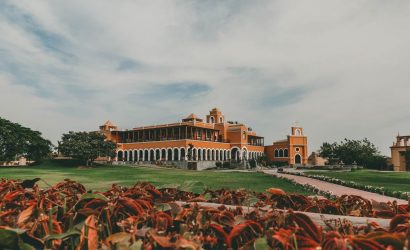
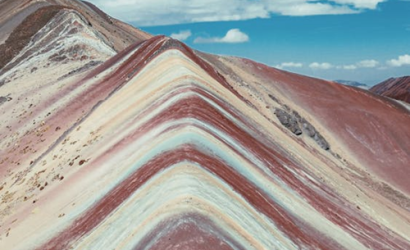
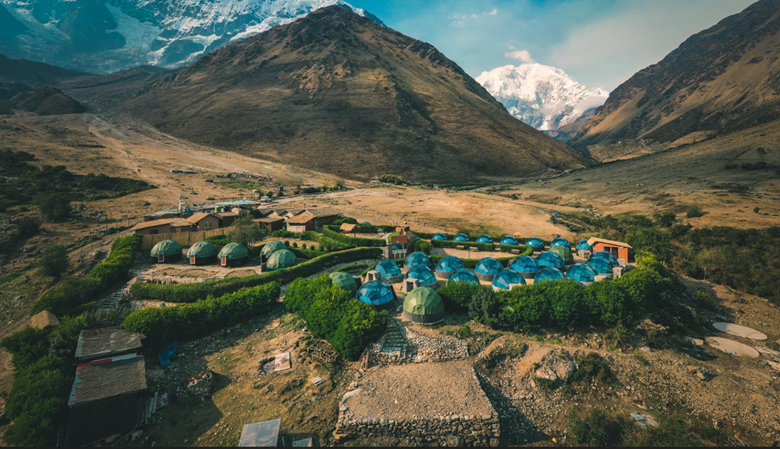
Enjoy breathtaking panoramic views, surrounded by towering mountains and the snow-capped Veronica Peak, as you traverse landscapes rich in history and vibrant nature. At the end of the day, relax in a charming eco-lodge with privileged views, perfect for reconnecting with nature and immersing yourself in the tranquility of the Andean surroundings.
Verónica, mientras recorres paisajes cargados de historia y naturaleza viva. Al final del día, relájate en un eco-lodge encantador, con vistas privilegiadas, ideal para reconectar con la naturaleza y dejarte envolver por la tranquilidad del entorno andino.
Don't Miss This!
- Enjoy breathtaking panoramic views of Veronica Peak and the Sacred Valley from 3,900 meters above sea level.
- Visita Machupicchu, maravilla ancestral en los Andes, y vive una conexión única con la naturaleza y el cosmos.
- Alojate en un domo geodésico entre montañas sagradas y cielos despejados en el Valle Sagrado.
- Stay in a geodesic dome among sacred mountains and clear skies in the Sacred Valley
Itinerary
Cost
Includes
- 3 nights in a hotel in Cusco
- 1 night in Hotel Domo (double occupancy)
- 1 night in a hotel in Machu Picchu (double occupancy)
- 5 breakfasts at the hotel according to the program
- Water and snacks for the Intipunku hike
- Round-trip transportation to Cachicata from your hotel
- Shared tour: Sacred Valley and Machu Picchu
- Private tour: Hike to Intipunku
- Private professional guide for the hike to Intipunku
- Group professional guide for the City Tour, Sacred Valley, and Machu Picchu
- Entrance fees to the archaeological sites
- Transfers during the itinerary
- First aid kit for any eventualities
Excludes
- International and domestic flights
- Travel insurance
- Personal insurance
- Optional tours
- Meals not mentioned in the program
- Local or international calls
- Other items not mentioned
FAQs
When traveling to Cusco, located at over 3,400 meters (11,150 feet) above sea level, it is essential to acclimate properly to avoid altitude sickness. Here are some practical tips to help you enjoy your trip to the fullest:
1. Allow at least two days to acclimate
Plan to spend at least 2 days in Cusco before engaging in physically demanding activities such as trekking or full-day tours. This helps your body adjust gradually to the high altitude and reduces the risk of discomfort or illness.
2. Avoid strenuous physical activity at first
During your first 24 hours, take it easy. Avoid heavy exertion and instead enjoy light walks around the city or relax at your hotel while your body adapts.
3. Stay well hydrated
High altitudes can dehydrate you more quickly than usual. Drink plenty of water and carry a reusable water bottle to sip regularly throughout the day. You may also want to try coca leaf tea, a traditional Andean remedy known to ease the symptoms of altitude sickness.
4. Eat light meals
Eat light and frequent meals that are easy to digest. Avoid heavy or greasy foods, particularly during your first days at altitude.
5. Consider natural remedies or medication
If you are particularly sensitive to altitude, consult your doctor before traveling. They may recommend medication to prevent altitude sickness. Locally, herbal teas like coca or muña are popular natural options.
6. Know the symptoms of altitude sickness
Common symptoms include headache, dizziness, fatigue, and loss of appetite. If you notice any of these, rest and hydrate. If symptoms worsen or persist, seek medical help immediately.
7. Avoid alcohol and tobacco
Both alcohol and tobacco can hinder your body’s ability to adapt to high elevations. It’s best to limit their consumption during your first few days in Cusco.
The Cachicata Trek is considered a moderate-level hike, suitable for travelers with average physical fitness. You don’t need to be a professional athlete to enjoy the experience, but you should be prepared to walk for several hours on mountainous terrain and at high altitude.
Trail Features:
🔶 Mountainous terrain:
The route crosses uneven and rocky paths. A basic level of endurance is recommended, especially if you’re not used to hiking. However, most sections are manageable for travelers accustomed to walking on irregular surfaces.
🔶 Altitude:
The hike takes place at elevations above 3,000 meters (9,800 feet) above sea level. If you’re not used to high-altitude environments, you may feel more fatigued or experience shortness of breath. To avoid altitude sickness, proper acclimatization before the hike is essential.
The hike from Cachicata to Intipunku (Sun Gate) takes approximately 5 to 6 hours in total. However, the exact duration may vary depending on several factors:
🔹 Group pace:
If the group maintains a relaxed pace or takes frequent breaks, the hike may take longer. On the other hand, a steady and faster pace can reduce the total time.
🔹 Trail conditions:
Some sections of the trail are steeper or more uneven, which can affect the overall pace. As you ascend toward Intipunku (the Sun Gate), both the altitude and the mountainous terrain may slow down your progress.
This hike combines natural beauty, archaeological interest, and moderate physical effort, making it ideal for travelers looking to explore off-the-beaten-path Inca trails in the Sacred Valley.
The Cachicata to Intipunku hike takes you through breathtaking Andean landscapes, offering a unique blend of history, nature, and adventure.
🔹 Inca Quarry of Cachicata
Along the way, you’ll pass the legendary Cachicata quarry, where you can see massive, unfinished Inca stones—silent witnesses to the empire’s construWhat type of clothing should I bring for the Cachicata Hike?ction techniques and the Spanish conquest.
🔹 Panoramic Views from Intipunku (Sun Gate)
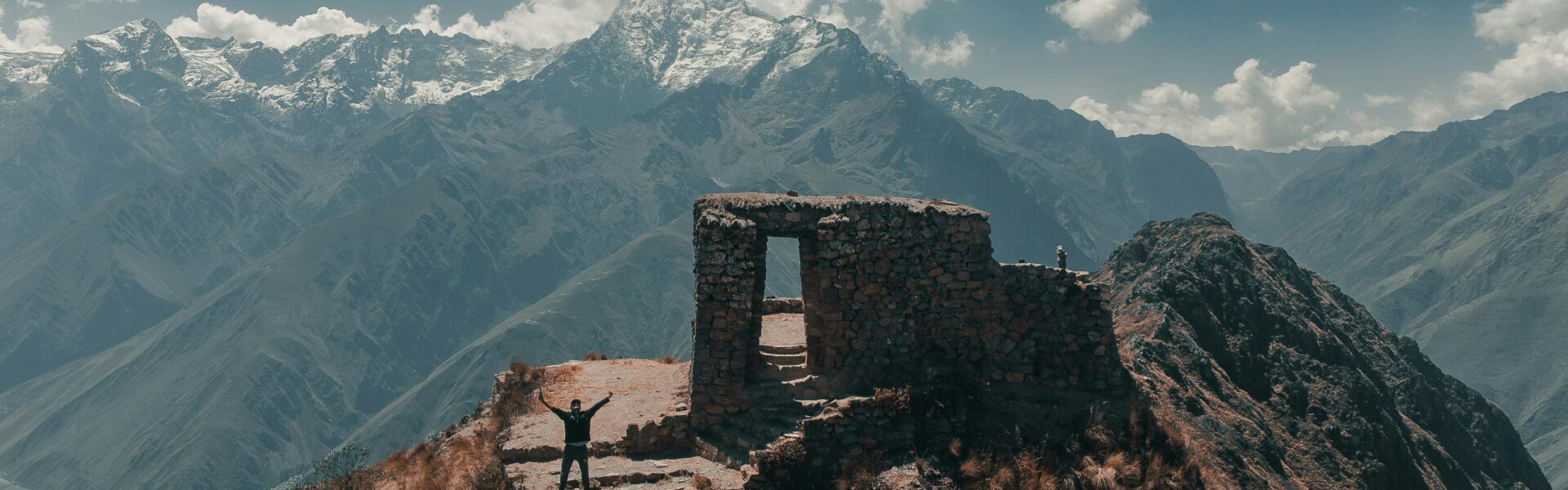
At the summit, you’ll reach Intipunku, or the Sun Gate, where spectacular panoramic views await. From this natural viewpoint, you can admire the Sacred Valley, the town of Ollantaytambo, and the snow-capped Verónica mountain.
🔹 High-Altitude Conditions
Since the hike takes place at high elevations, you may feel more tired than usual. It’s essential to take regular breaks, stay hydrated, and allow your body to acclimate properly to the altitude.
You should bring light, comfortable, and breathable clothing for the hike, as well as warm clothes if you are traveling during the cold season (April to September). A waterproof poncho is essential during the rainy season (November to March). Don’t forget a good pair of hiking shoes with good grip.
What to Bring?
For this program, we recommend bringing the following essentials:
Essential Items:
- Passport or ID: The document you used to make your reservation.
- Students: Your valid student ID and the documentation used for your reservation.
- Service and entrance : Any contracts or vouchers from your reservation to avoid issues.
- Cash and card: It is recommended to carry cash in soles and a card to avoid any inconveniences.
- 2 plastic bags: It is suggested to bring two bags to separate the waste generated during the tour
—one for plastics and the other for organic waste. You can dispose of them at the end of each excursion.
Clothing and accessories:
Should be appropriate for the weather conditions and your personal preferences, considering possible changes in the climate.
- Light and breathable clothing: For warmer areas such as the coast and Andes, depending on the season.
- Warm clothing: If you’re visiting the highlands, especially places like Cusco, Arequipa, or Puno, temperatures can drop significantly at night (April to September) and even during the day in the rainy season (November to March).
- Waterproof jacket or poncho: Important during the rainy season (November to March), and perhaps also during the dry season (April to October).
- Comfortable and durable shoes: Good hiking shoes with good grip are recommended, as the terrain in the highlands can be rugged.
- Hat or cap: To protect yourself from the sun, especially in the highlands.
- Sunscreen: The sun can be very strong at high altitudes.
- Small backpack: Useful for excursions.
- Water for all trips: Preferably a reusable bottle.
- Snacks: Chocolates, energy bars, candies, etc., for excursions at higher altitudes.