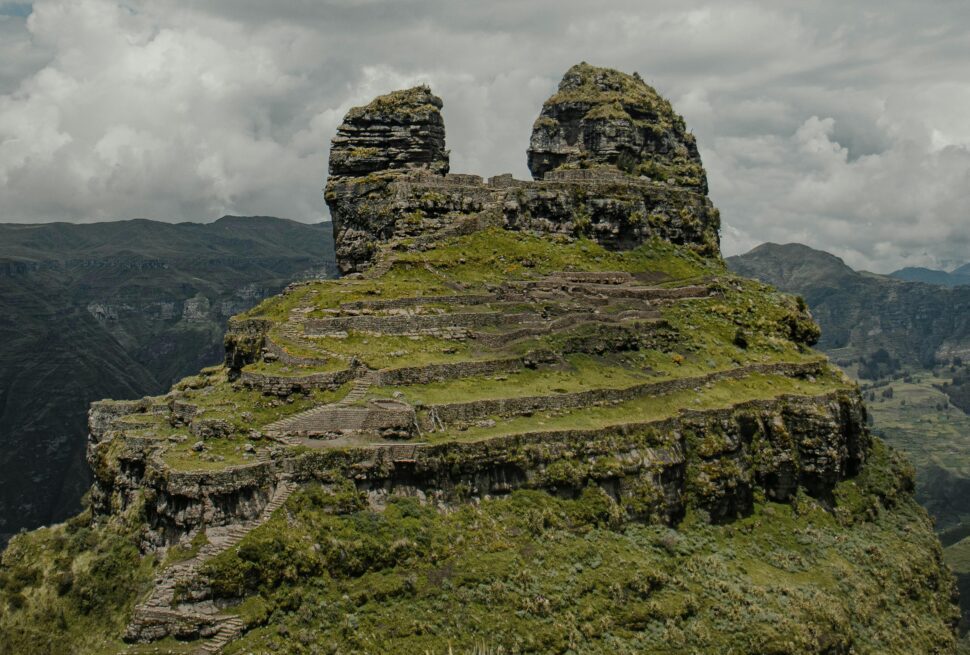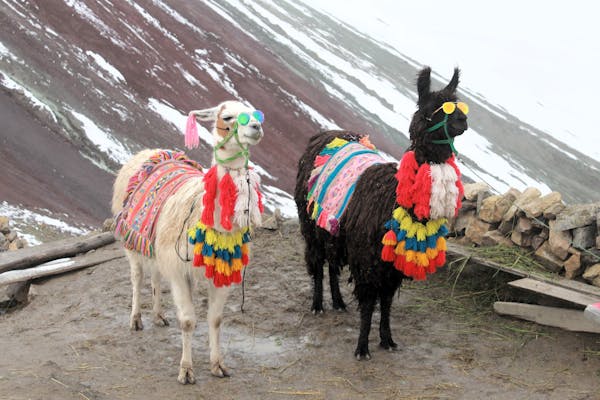
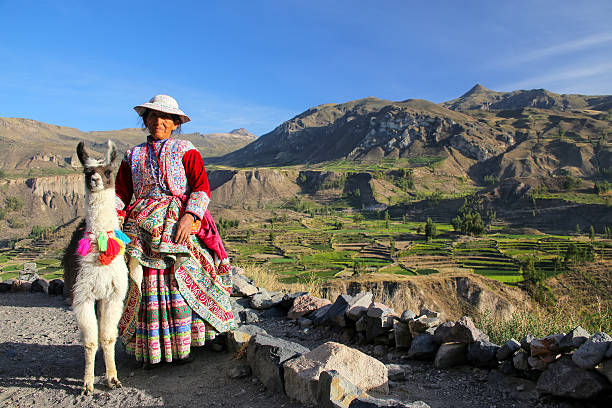
If you are looking for an authentic and responsible travel experience, community-based tourism in Peru invites you to enjoy unique adventures, exploring ancient trails and sharing meaningful moments with rural families who keep alive the essence of the Peruvian Andes and cloud forest regions.
In iconic destinations such as Cusco, Arequipa, Puno, and Ayacucho, rural communities offer genuine cultural experiences where travelers can connect with ancestral traditions, participate in agricultural and cultural activities, and discover the richness of local cuisine. For an even deeper immersion, you may also choose to stay overnight in community-run accommodations and experience daily life firsthand.
What Is Community-Based Tourism?
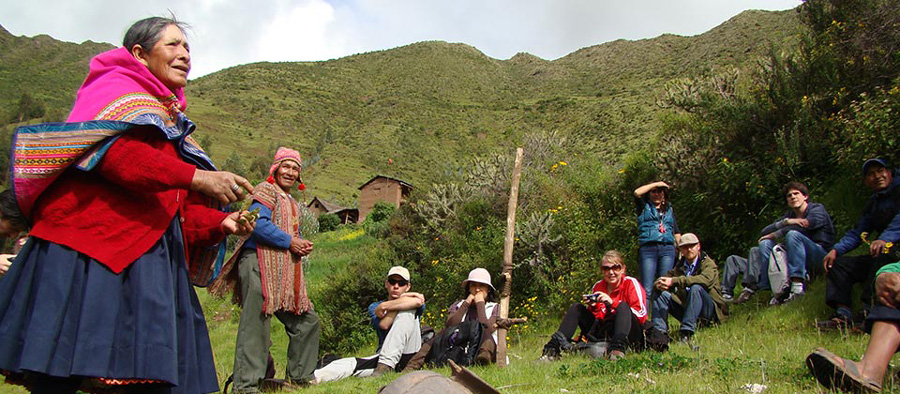
Sustainable Community-Based Tourism is a form of tourism developed in rural communities, where local residents actively organize and manage tourism activities in a participatory and responsible manner. Its main objective is to generate economic, social, and cultural benefits for the community while promoting respect for local identity, environmental conservation, and the sustainable use of natural resources.
This approach empowers local communities, strengthens social cohesion, preserves the living traditions of rural peoples, and fosters an equitable and enriching relationship between visitors and hosts. Through meaningful cultural exchanges and authentic experiences, travelers contribute directly to the well-being of the communities they visit while gaining a deeper understanding of their heritage, customs, and way of life.
Discover Peru’s Community-Based Tourism Destinations
1.- Potato Park (Parque de la Papa)
Located in the Sacred Valley of Cusco, the Potato Park is a unique community-based tourism destination where visitors can discover the extraordinary biodiversity of native potatoes and learn about the ancestral agricultural knowledge of the Quechua communities. Travelers can participate in traditional farming activities, explore breathtaking Andean landscapes, and experience the living cultural heritage that has preserved hundreds of potato varieties for generations.
2. Textile Art Community
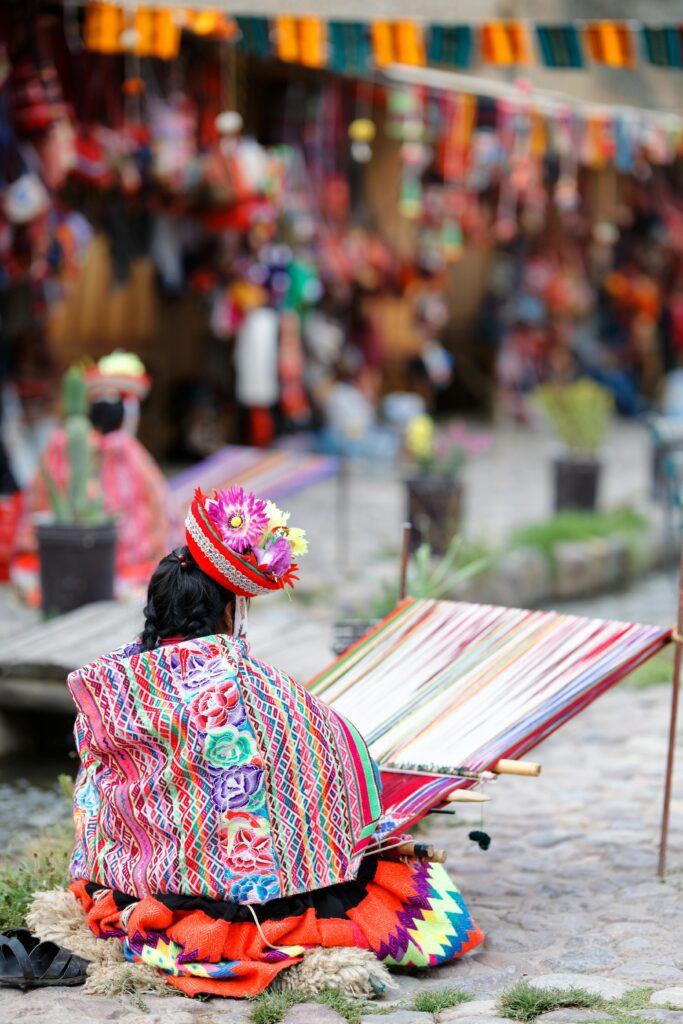
Discover the rich textile heritage of Perú’s Andean communities, where ancestral weaving techniques have been preserved and passed down through generations. Visitors can interact with local artisans, learn about natural dyeing processes, observe traditional weaving demonstrations, and participate in hands-on workshops. These authentic cultural experiences provide a unique opportunity to appreciate the artistry, symbolism, and cultural significance of Andean textiles while supporting local families and their sustainable livelihoods.
Differences Between Cusco and Puno Textiles
Although both Cusco and Puno are renowned for their rich textile traditions, each region has developed distinctive styles that reflect its unique cultural heritage, geography, and history.
Textile Characteristics: Cusco vs. Puno
| Characteristic | Cusco Textiles | Puno Textiles |
|---|---|---|
| Cultural Influence | Inca | Aymara / Preincaica (Pucará, Tiahuanaco) |
| Signature Technique | Backstrap Loom | Hand weaving and Horizontal/Vertical loom |
| Iconography | Inca Symbolism | More abstract symbolic designs |
| Remarkable Example | Chinchero Weavers | Taquile Island (Renowned Male Weavers) |
3. Titicaca Lake – Puno
- Trek Llachon (Trekking + hospedaje rural)
- Altitude: 3,885 m a.s.l. (meters above sea level)
- Duration: 2 days / 1 night
- Activities:
- Scenic natural trails with spectacular views of Lake Titicaca and the Cordillera Real (Bolivia).
- Hikes to the viewpoints of Qesquero and Cerro Carus (approximately 1 to 3 hours).
- Opportunity to walk between several communities on the peninsula (such as Capachica or Ccotos).
- Some hikes include traditional rituals and visits to local sacred sites.
- Trekking level: Easy to moderate
- Amantaní Island (Trekking + Rural Homestay)
- Altitude: 3,800 m a.s.l. (meters above sea level)
- Duration: 2 days / 1 Night
- Activities:
- Sunset hike to the Temple of Pachatata or Pachamama with panoramic views
- Accommodation in family homes (simple but welcoming)
- Local cuisine based on potatoes, quinoa, and fish
- Trekking level: Easy
- Isla Taquile (Trekking + cultura)
- Altitude: 3,950 m a.s.l. (meters above sea level)
- Duratio+n: 1 día o con pernocte
- Activities:
- Walks along traditional trails with views of the lake
- Interaction with local families
- Participation in textile activities (handwoven craftsmanship recognized by UNESCO)
- Trekking level: Moderate, with stairs and slopes
4.- Colca Canyon – Arequipa
Community-based tourism in the Colca Valley offers an authentic way to experience rural Andean life in the communities of Sibayo, Coporaque, Cachoma, Yanque, Achoma, Pinchollo, and Cabanaconde. This type of travel invites visitors to stay with local families and become part of their daily routines, traditions, and cultural practices.
Guests are welcomed into family homes adapted for community tourism, where they enjoy traditional meals prepared with locally sourced ingredients and experience genuine Andean hospitality. Beyond accommodation, travelers gain a deeper understanding of the Quechua and Cabana cultures through direct interaction, shared activities, and meaningful cultural exchange in a natural and welcoming environment.
5.- Community Tourism in Cusco with Hiking
- Trek Lares – Valle Sagrado
- Duration: 3 a 5 days
- Altitude: up to 4,600 m a.s.l.
- Visited communities along the route: Huacahuasi, Patacancha, Cuncani
- Highlight: Scenic hikes through lagoons and mountains, with visits to weaving communities that keep their ancestral traditions alive.
- Trekking level: moderate
- Trek Huchuy Qosqo
- Duration: 1 to 2 days
- Altitude: Up to 3,600 m a. s. l.
- Route: Tambomachay – Huchuy Qosqo – Lamay
- Visited communities along the route: : Pucamarca, Siwa
- Highlight: Ideal for travelers with limited time who still want a cultural and trekking experience combined.
- Trek Ausangate & Pacchanta Communitie
- Duration: 4 to 6 days
- Altitud: Hasta 5,100 m s.n.m.
- Comunidades: Pacchanta, Upis
- Destacado: Montaña Arcoíris, lagunas turquesas y termas naturales; contacto con pastores y criadores de alpacas.
Benefits of Community-Based Tourism
- Local economic development: It generates additional income for families and contributes to the growth of rural economies.
- Cultural preservation: It helps safeguard ancestral traditions, languages, and customs.
- Environmental conservation: It promotes sustainable practices that protect natural resources and biodiversity.
- Women’s empowerment: It increases women’s participation in economic and community-based activities, strengthening their role in local development.
Tips for Practicing Community-Based Tourism
Plan ahead: Learn about the communities and available activities in the region you plan to visit.
Respect local customs: Adapt your behavior and clothing to the traditions of the host community.
Participate actively: Get involved in the activities offered to enjoy a more authentic and meaningful experience.
Support the local economy: Purchase handmade products and use local services to contribute to community development.
- Conclusión
- Community-based tourism in Peru opens the door to authentic experiences that enrich both travelers and host communities. By choosing this type of tourism, you not only discover the country’s rich cultural and natural heritage, but also contribute to the sustainable development and well-being of local communities.